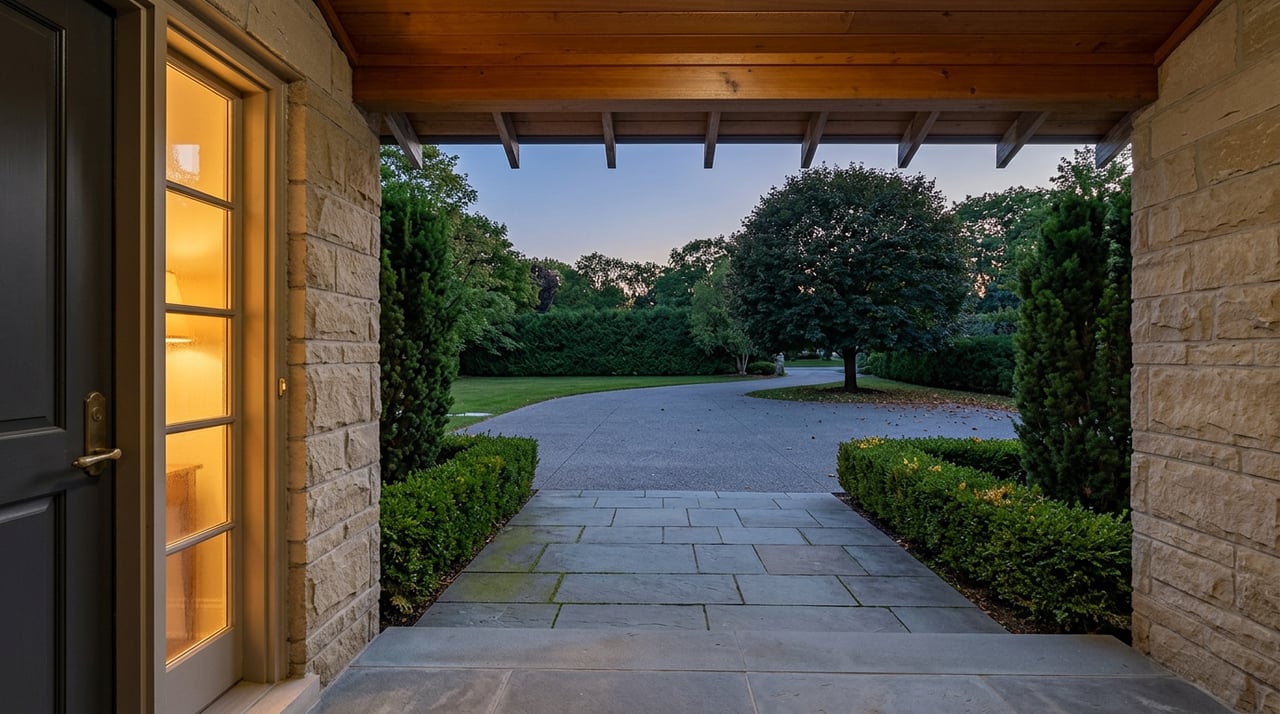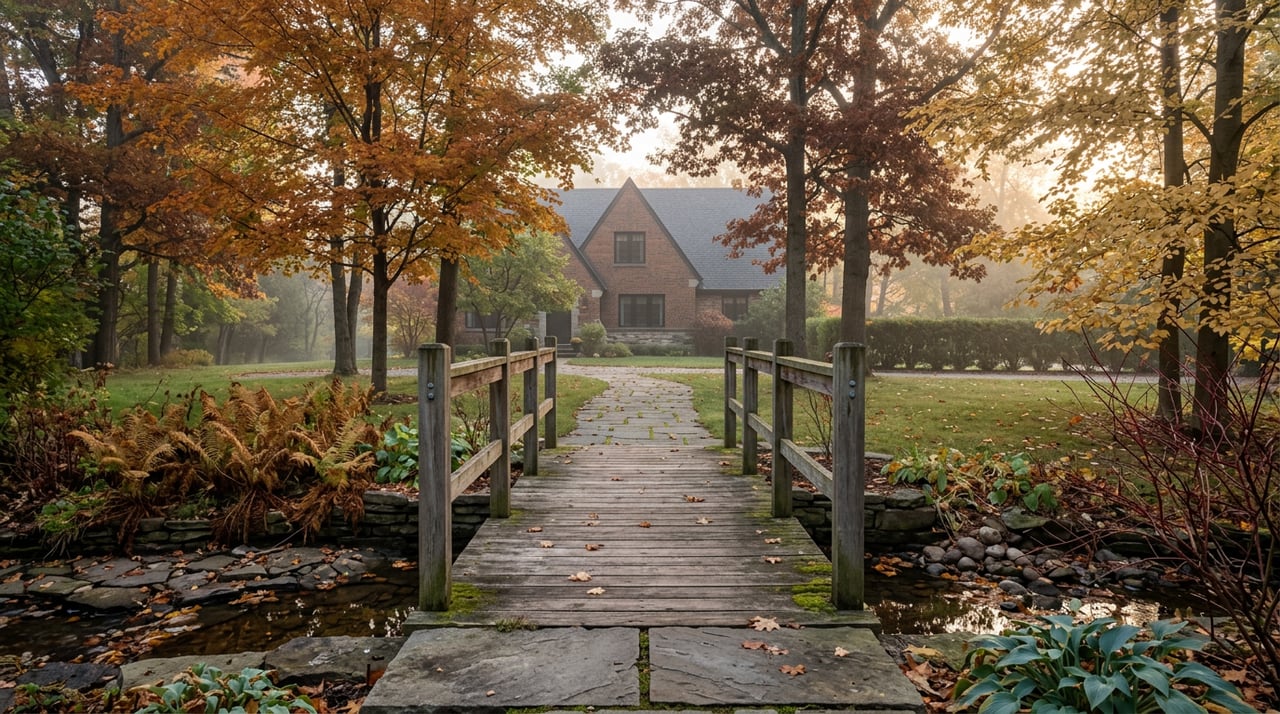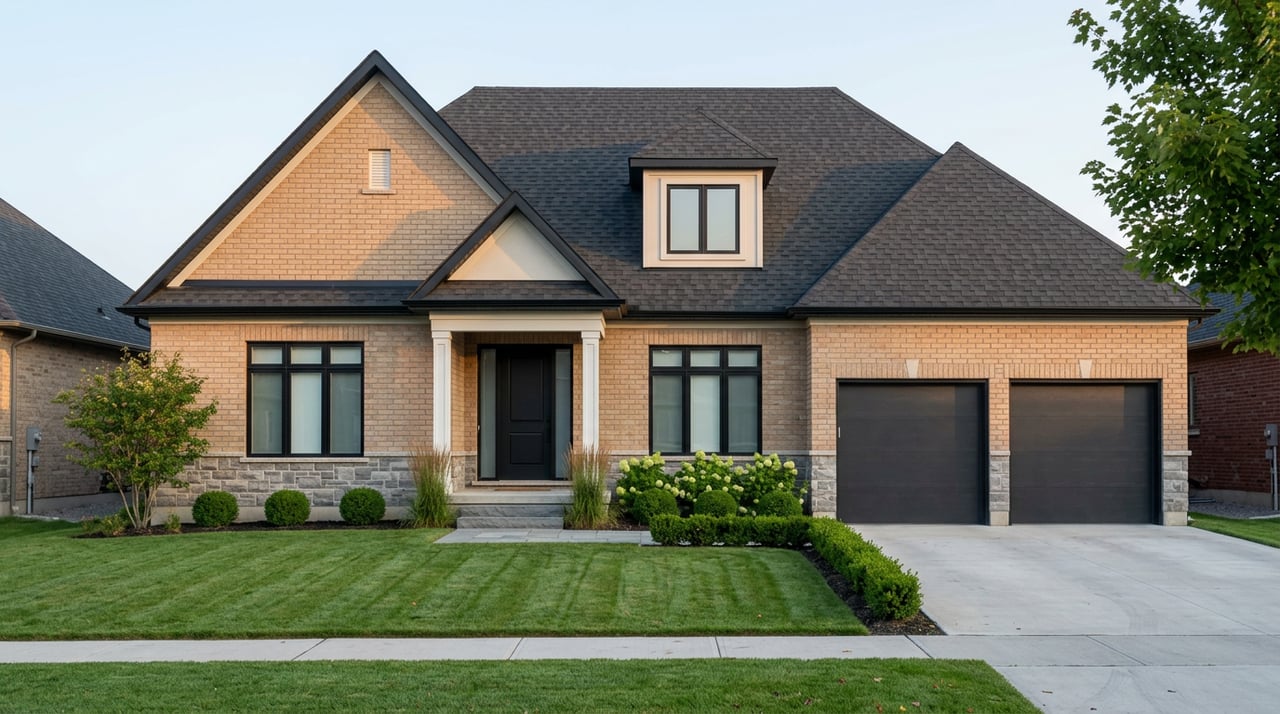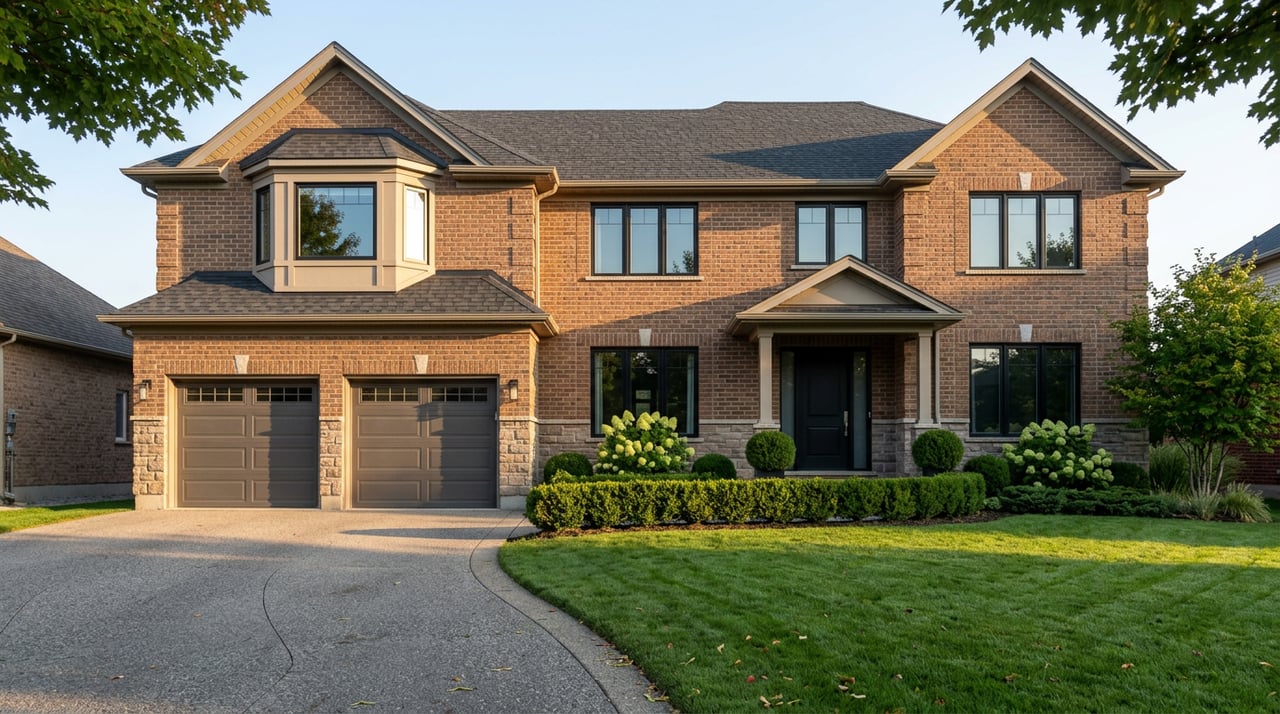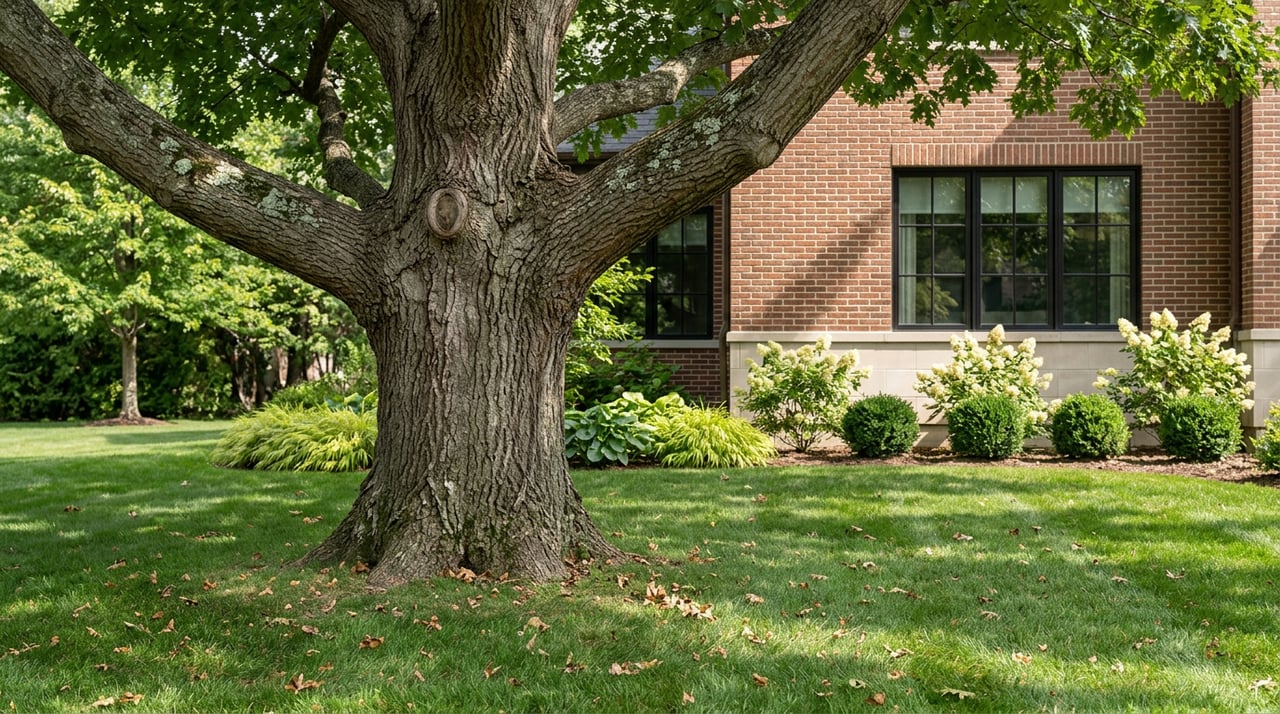
The stop-work order usually arrives on day two. A buyer closes on a 1950s bungalow in Mineola East, the excavator shows up to start clearing the lot for a new build, and a City of Mississauga bylaw officer is standing in the driveway asking for a permit number nobody applied for. The tree in question is a 60-year-old silver maple that nobody thought to measure before the offer went firm.
That scene repeats often enough in Mineola to be worth writing down, because the neighborhood's whole appeal runs on a contradiction. Buyers are drawn to Mineola East and Mineola West for the same reason: streets without curbs, no streetlights in places, and a canopy old enough that people call the area the closest thing Mississauga has to cottage country. Then a meaningful share of those same buyers purchase a bungalow on a 75-foot-plus lot specifically to tear it down and build new. The asset that sold the lot is often the first thing standing in the way of the plan for it.
The Trade You're Actually Making
Mineola East has become one of the more active custom-build corridors in the city. Original bungalows on generous lots come up for sale, get purchased below the price of a finished custom home, and get replaced. It's a straightforward math problem for a buyer: land value plus construction cost versus resale ceiling. What that math doesn't usually price in upfront is the tree.
Mississauga's Private Tree Protection By-law, By-law 0021-2022, protects any tree on private property measuring 15 centimeters or more in diameter at breast height. That threshold is half of Toronto's 30-centimeter standard, which means a tree that would need no paperwork one city over is fully regulated here. On a mature Mineola lot, that 15-centimeter line catches nearly everything with a real trunk, not just the showpiece oaks and maples people notice.
It's Not Only Removal That's Regulated
The part that catches buyers off guard is the word "injure." The bylaw doesn't just govern cutting a tree down. It also covers root cutting, grading changes, excavation, trenching, and construction work that damages a protected tree's root zone or canopy, even when the tree itself stays standing. On a teardown lot, that means foundation work, a widened driveway, or a new pool can trigger a permit requirement even if the plan was never to remove a single tree. If the lot backs onto the Credit River corridor, which several Mineola West properties do, work near the ravine can also bring the Toronto and Region Conservation Authority into the picture.
The Fee And Timeline, In Real Numbers
Here's what the process actually costs and how long it actually takes, based on the city's current published figures.
| Step | Detail |
|---|---|
| Base permit fee | $399.77 (including HST), non-refundable, submitted with the application |
| Additional healthy tree removal | $139.72 (including HST) per tree, charged after review |
| Dead or dying trees | Permit still required, no fee |
| Review timeline | The city's own program page states 30 business days for a complete application, roughly four to six weeks in practice |
| Application requirement | An ISA certified arborist report, typically arranged by the applicant |
Thirty business days is six calendar weeks minimum, and that clock only starts once the application is complete. Missing supporting documents or an unclear site drawing resets the wait. For a buyer working toward a firm closing date or a contractor holding a construction schedule, that's not a rounding error. It's a line item that needs to sit in the plan before the offer goes firm, not after possession.
The Replacement Math That Changes The Landscaping Budget
Mississauga ties replanting directly to the size of what comes down: one replacement tree for every 15 centimeters of trunk diameter removed. A single 45-centimeter tree, which is a modest size for a century-old Mineola canopy, requires three replacements. Clear four or five mature trees to make room for a new build and a driveway, and the replacement obligation can run into a dozen trees or more.
That obligation doesn't bend to convenience. Ornamental species like Japanese maples, cedars, and junipers don't count as acceptable replacements under the city's rules. A security deposit backs the commitment, and it isn't returned until an inspection confirms the new trees are healthy a full year after planting. If the lot genuinely can't hold that many new trees, the city accepts cash in lieu at a rate set by its fees and charges bylaw, which adds a cost most renovation budgets never anticipate.
There's a second layer worth knowing before an offer goes in on a Mineola East teardown candidate. Exceptionally old or significant specimens can fall under the city's Heritage Tree program, which brings extra scrutiny to any removal application and, according to arborists who work these files regularly, makes approval far less likely unless the tree is already dead. On a lot with 100-year-old trees, that's not a hypothetical.
What Skipping The Step Actually Risks
Removing a protected tree without a permit isn't a paperwork oversight the city quietly lets slide. Unauthorized removal can bring fines of up to $100,000, and the city investigates after the fact based on complaints, not just at the time of the cut. A contractor racing to clear a lot before a closing deadline can create exposure that outlasts the build itself, along with a replacement ratio set higher than what a permit would have required in the first place.
Mineola West And Mineola East Aren't The Same Bet
The bylaw applies citywide, but the exposure looks different depending on which side of Mineola a buyer is standing on. Mineola West, anchored around Kenollie Public School and streets like Kenollie Avenue and Pinetree Crescent, is defined by irregular ravine lots backing onto the Credit River. Most of the large custom homes here are already built, so the tree conversation tends to center on additions, pools, and grading near a protected root zone rather than full lot clearing. Mineola East, with its flatter, more rectangular 75-foot-plus lots, is where the bungalow-to-custom-build pattern is most active, and where the permit math above matters most before an offer is even written.
Knowing which Mineola a buyer is actually evaluating changes the diligence list. A West purchase near the ravine calls for an early conversation about conservation authority setbacks. An East teardown calls for a tree inventory and arborist report before conditions are waived, not after.
If You're Under Contract Right Now
The fix here isn't complicated, it's timing. An ISA certified arborist assessment, ordered before the offer goes firm, tells a buyer exactly which trees on a Mineola lot cross the 15-centimeter threshold, which ones might qualify for Heritage Tree scrutiny, and what a realistic replacement obligation looks like in dollars and in trees. That single step turns a bylaw that can derail a construction schedule into a line item that gets built into the offer, the budget, and the timeline from day one.
For a seller listing a Mineola teardown candidate, the same information works in reverse. A lot with a documented tree inventory and a clear read on removal feasibility is an easier property for a buyer's lender, lawyer, and contractor to move on quickly, and it removes the kind of surprise that stalls a deal at the worst possible moment.
A Few Questions Worth Settling Before You Sign
Does the permit requirement disappear if a tree is already dead or dying? No. A permit is still required, though the city waives the base fee and additional-tree fee for trees confirmed dead or dying.
Does having an approved building permit for a new home exempt the lot from the tree bylaw? No. The Private Tree Protection By-law operates independently of a building permit. Redevelopment plans don't override the tree review.
What happens if a protected tree sits on or near a property line? Trees that cross a boundary raise ownership and access questions the city treats separately, and a formal tree ownership inspection or an independent arborist opinion is often the cleanest way to resolve it before any work begins.
Mineola's canopy is the reason the neighborhood commands the premium it does. Treating it as a line item in the transaction, rather than a surprise after possession, is what separates a smooth custom build from a stalled one. If you're evaluating a teardown lot or preparing one for sale in Mineola, Shahid Khawaja RE can walk you through what a given property's tree inventory means for your timeline and your offer before you're locked into either one. Get My Valuation to start with a clear picture of what you're actually buying or selling.