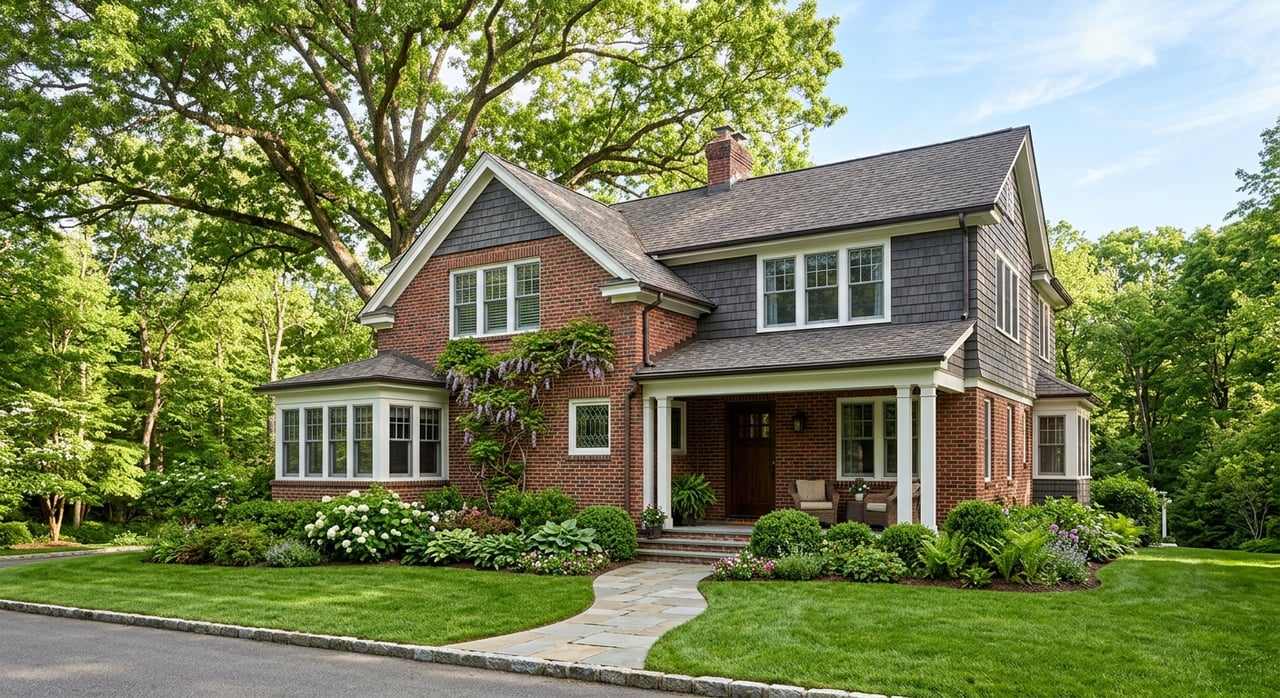
If you own a character home in Old Oakville, getting it ready for sale is not the same as prepping a standard resale property. Buyers are looking at your home’s interior, of course, but they are also evaluating its architecture, preserved details, and how it fits into one of Oakville’s most recognized heritage streetscapes. With the right plan, you can present your home in a way that respects its history, meets local rules, and helps buyers see its value clearly. Let’s dive in.
Why Old Oakville preparation is different
Old Oakville is Oakville’s first designated heritage conservation district, established in 1981. It extends from Sixteen Mile Creek to Allan Street and south of Robinson Street to the lakefront, and it includes a mix of early vernacular homes, nineteenth-century lakeside cottages, turn-of-the-century houses, and churches.
That context matters when you sell. In this district, your property is not viewed only as a floor plan with finishes and square footage. It is also part of a protected streetscape with architectural character that the Town of Oakville actively manages through updated heritage district guidelines approved on March 17, 2025.
Understand your home’s heritage status
Before you paint, replace, rebuild, or list, confirm exactly how your property is recorded on Oakville’s Heritage Register. Oakville tracks individually designated properties under Part IV, properties designated within Heritage Conservation Districts under Part V, and properties that are listed but not designated.
In Old Oakville, the district plan states that properties in the heritage conservation district are designated under Part V. That means exterior work may trigger heritage permit requirements, even if the job seems modest from a resale point of view.
Why this matters before listing
A buyer will often ask what has been changed, what was preserved, and whether approvals were obtained. If you can answer those questions clearly, you reduce friction during due diligence and strengthen buyer confidence.
You also avoid the risk of making a quick pre-listing change that later creates permit issues. For a heritage home, that kind of mistake can slow your timeline and complicate negotiations.
Know what may need a heritage permit
In Old Oakville, designated properties typically require a municipal heritage permit before an owner alters, demolishes, removes, or erects covered parts of the property. Oakville’s heritage permit guide identifies many exterior changes that commonly require approval.
These can include:
- new additions
- porches, decks, and sheds
- window or door changes
- roof or cladding work
- chimney or trim changes
- exterior paint-colour changes
- demolition
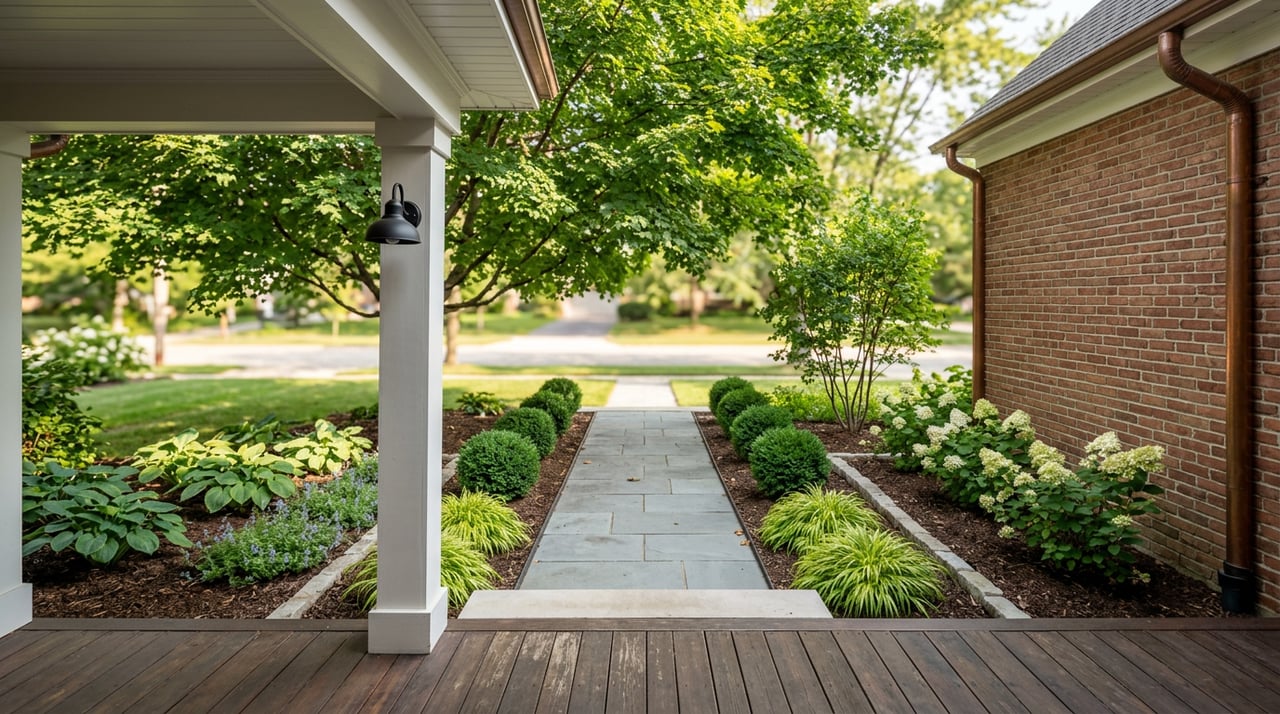
- hard landscaping such as fences, gates, retaining walls, patios, and walkways
By contrast, routine maintenance and some minor work usually do not require a heritage permit. This often includes same-colour repainting, minor exterior repairs, standard non-historic eavestrough or downspout replacement, soft landscaping, and most interior changes, unless interior elements are specifically protected by an individual designation by-law.
When to pause and verify
If your pre-sale plan goes beyond light maintenance, stop and check first. Oakville recommends pre-consultation with Heritage Planning before you submit for permits, and larger renovation or construction work may also require a building permit or other approvals.
This is especially important if you were thinking about replacing windows, changing the front entry, altering porch details, or updating visible exterior materials. A fast decision made for cosmetics can conflict with the home’s protected character.
Focus on preservation, not over-renovation
When sellers prepare a heritage home, the goal is not to make it look brand new. The better strategy is to make the home feel well cared for, easy to understand, and true to its original character.
Conservation guidance used by Oakville emphasizes understanding the historic place first, then using minimal intervention where possible. It also supports repairing rather than replacing character-defining elements and making any new work physically and visually compatible with the historic property.
What buyers respond to
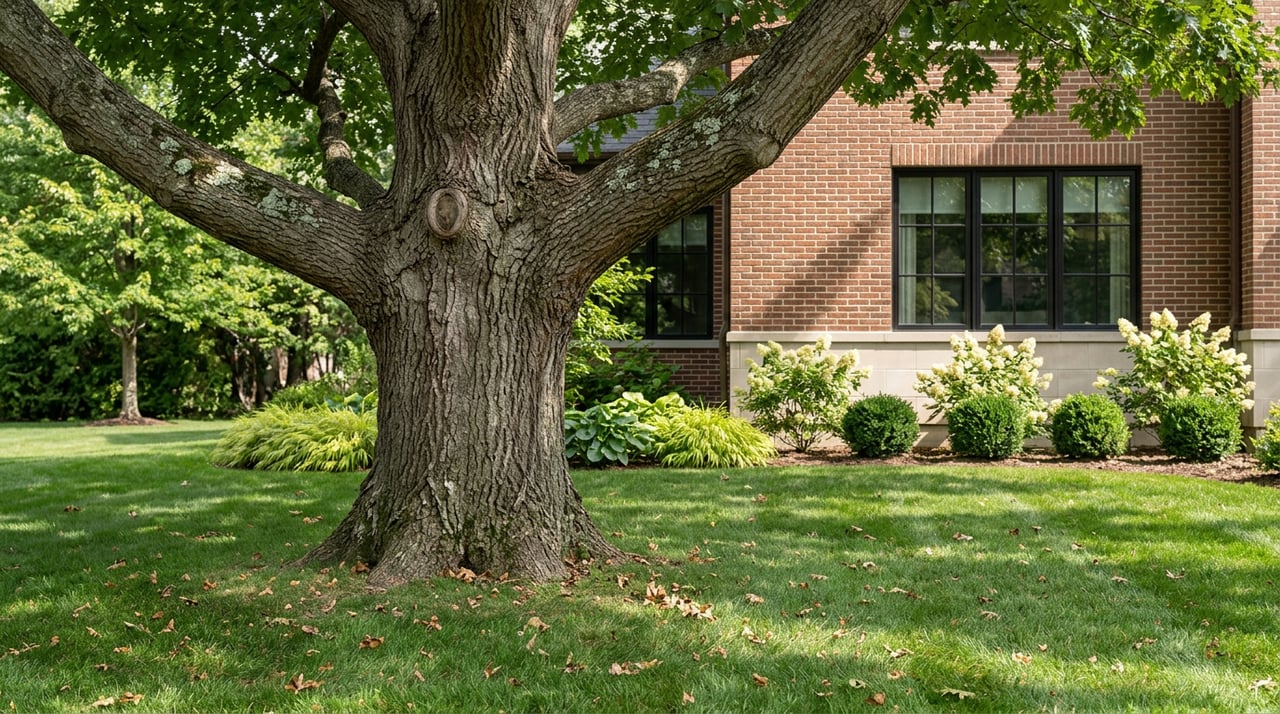
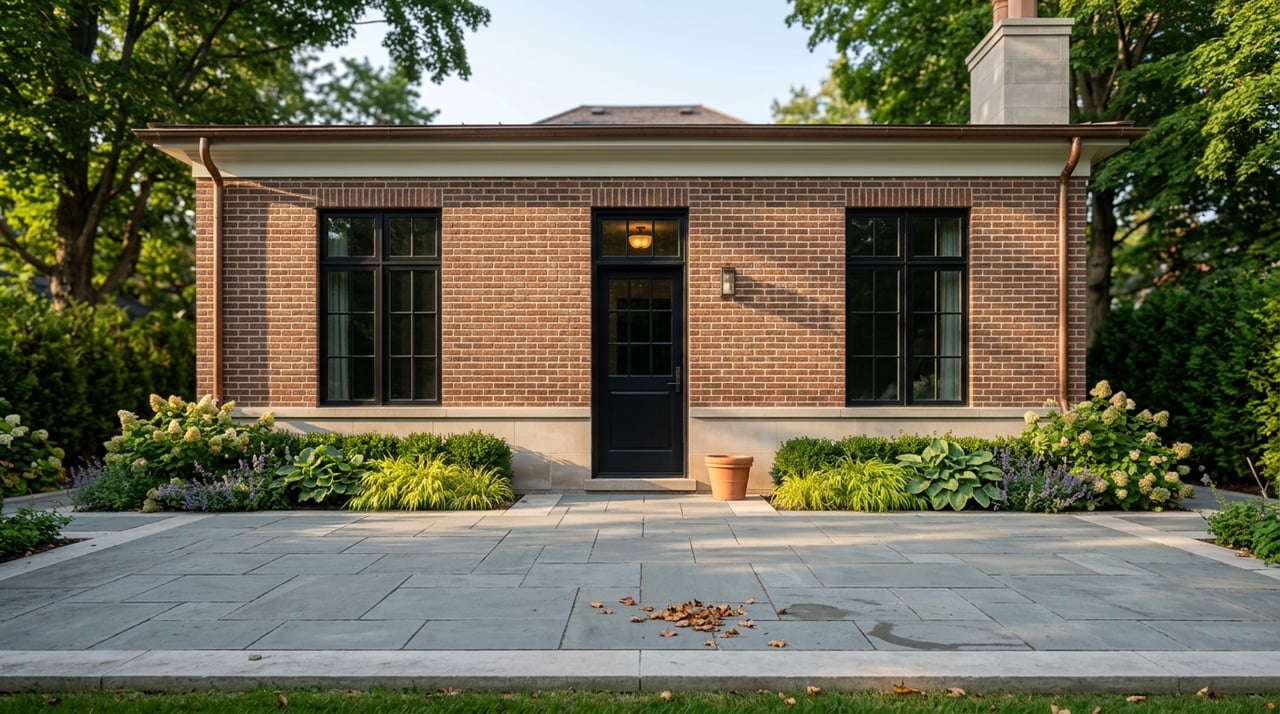
For many buyers, the appeal of an Old Oakville home is in the details. Original proportions, mature setting, period trim, historic windows and doors, porches, masonry, and rooflines all help tell the story of the property.
Your job before listing is to make those features easier to read. That usually means cleaning, simplifying, and repairing visible wear rather than layering on trendy cosmetic upgrades that distract from the architecture.
Smart pre-listing improvements
The strongest pre-listing work is usually selective and disciplined. You want to improve presentation while protecting the authenticity that makes the home stand out.
Consider these priorities:
- declutter key rooms so original scale and layout are easier to see
- complete minor maintenance before it becomes a buyer objection
- repair original features where possible instead of replacing them
- use simple same-colour touch-ups when appropriate
- avoid creating a false historic look with inauthentic decorative changes
- confirm permit requirements before making any exterior updates
If replacement is truly unavoidable, conservation standards support matching original forms, materials, and detailing as closely as possible. That approach helps preserve visual continuity and can make your updates easier for buyers to understand.
Stage the rooms that matter most
Not every room needs the same level of effort. According to the 2025 Home Staging report, 83% of buyers’ agents said staging made it easier for buyers to visualize a property as a future home.
The same report found that the most important rooms to stage were the living room, primary bedroom, and kitchen. For many Old Oakville homes, the dining room also plays an important supporting role because it often highlights proportions, millwork, and the home’s traditional layout.
Keep the staging approach simple
For a character property, less is usually more. You want buyers to notice ceiling height, natural light, window placement, trim, fireplaces, and room flow, not an over-styled setup.
A clean, polished presentation works well when paired with restrained furniture, neutral tones, and clear walking paths. The goal is to help buyers picture daily life in the home while still seeing the craftsmanship that sets it apart.
Build a strong documentation package
A well-prepared heritage file can add real confidence to your listing. Oakville’s permit process evaluates proposed work against designation by-laws, district plans, conservation plans, heritage easement agreements, and recognized conservation standards, so your records matter.
Before going to market, gather as much of the following as possible:
- designation by-law or district information
- prior heritage permits
- building permits
- renovation invoices
- warranties
- land survey
- inspection reports
- dated photos of past work
- notes showing what is original, repaired, or replaced
Why records help your sale
Buyers of character homes often ask detailed questions. A concise file that explains what was preserved, what was updated, and what approvals were obtained can make those conversations much easier.
It also supports your pricing and marketing story. When a home has been cared for thoughtfully, documentation helps prove it.
Show the home and the streetscape
In Old Oakville, the listing package should do more than show kitchen counters and bedroom count. It should also communicate the home’s place within the district’s older building stock, waterfront setting, and established streetscape.
That means your photography and video should capture both the house and its context. Buyers shopping this area are often responding to curb presence, lot setting, porch character, rooflines, masonry, and how the property sits within the neighborhood fabric.
Digital marketing matters here
The 2025 staging research also found that buyers’ agents rated photos, physical staging, videos, and virtual tours as important listing assets. For a distinctive Old Oakville home, those assets are especially valuable because many of the property’s strongest features are visual.
This is where a marketing-led listing strategy can make a difference. Strong visuals, thoughtful staging, and clear positioning help buyers appreciate the home before they ever step through the front door.
Avoid last-minute mistakes
Some of the most expensive pre-listing errors come from rushing. Sellers sometimes replace repairable elements, start exterior projects without checking approvals, or make cosmetic choices that weaken the home’s architectural integrity.
A better approach is to separate projects into two groups: what you can do now without unnecessary risk, and what needs municipal review before moving ahead. If you are considering larger work before listing, apply early, because heritage permit reviews and related approvals can affect your timeline.
Answer buyer concerns before they ask
Old Oakville buyers are often attracted to character, but they may still have questions about flexibility and upkeep. When you prepare your listing, it helps to anticipate those conversations.
You may want to be ready with clear answers on:
- whether interior changes usually require a heritage permit
- whether the property is listed or designated
- what work has been completed with approvals
- which original features have been intentionally preserved
- whether any planned work was deferred to avoid unnecessary alteration before sale
A calm, factual explanation goes a long way. Heritage designation is intended to manage change, not freeze a home in time, and that distinction can help buyers feel more comfortable.
Sell the story with clarity
The best Old Oakville listings do not try to hide age or over-modernize history. They present the home as it is: distinctive, established, and part of a meaningful district with long-term character.
If you are preparing your character home for sale, the right strategy is equal parts preservation, presentation, and process. With careful staging, disciplined repairs, complete documentation, and smart marketing, you can help buyers see both the beauty of the home and the confidence that comes with a well-prepared listing.
If you are thinking about selling in Old Oakville, SHAHD KHAWAJA REAL ESTATE INC BROKERAGE can help you position your home with strategic staging, renovation guidance, and a marketing plan built to showcase distinctive properties.
FAQs
Does an Old Oakville home always need a heritage permit before sale prep?
- No. Routine maintenance, minor exterior repairs, same-colour repainting, soft landscaping, and most interior changes usually do not require a heritage permit, but many exterior alterations do.
What exterior changes may need a heritage permit in Old Oakville?
- Common examples include additions, porches, decks, sheds, window or door changes, roof or cladding work, chimney or trim changes, exterior paint-colour changes, demolition, and hard landscaping such as fences, gates, patios, walkways, and retaining walls.
Can you renovate the interior of an Old Oakville heritage home without approval?
- Usually yes, unless interior elements are specifically protected by an individual designation by-law.
What should you fix before listing an Old Oakville character home?
- Focus on visible deterioration, minor maintenance, and repairable original features first, while avoiding unnecessary replacements or exterior changes that may need approval.
What documents should you gather before selling an Old Oakville heritage home?
- Try to assemble the designation by-law or district information, prior heritage permits, building permits, renovation invoices, warranties, survey, inspection reports, and dated photos or records showing what was preserved, repaired, or replaced.
Why is staging important when selling an Old Oakville character home?
- Staging helps buyers visualize the home more easily, and the most important rooms to prioritize are typically the living room, primary bedroom, and kitchen.