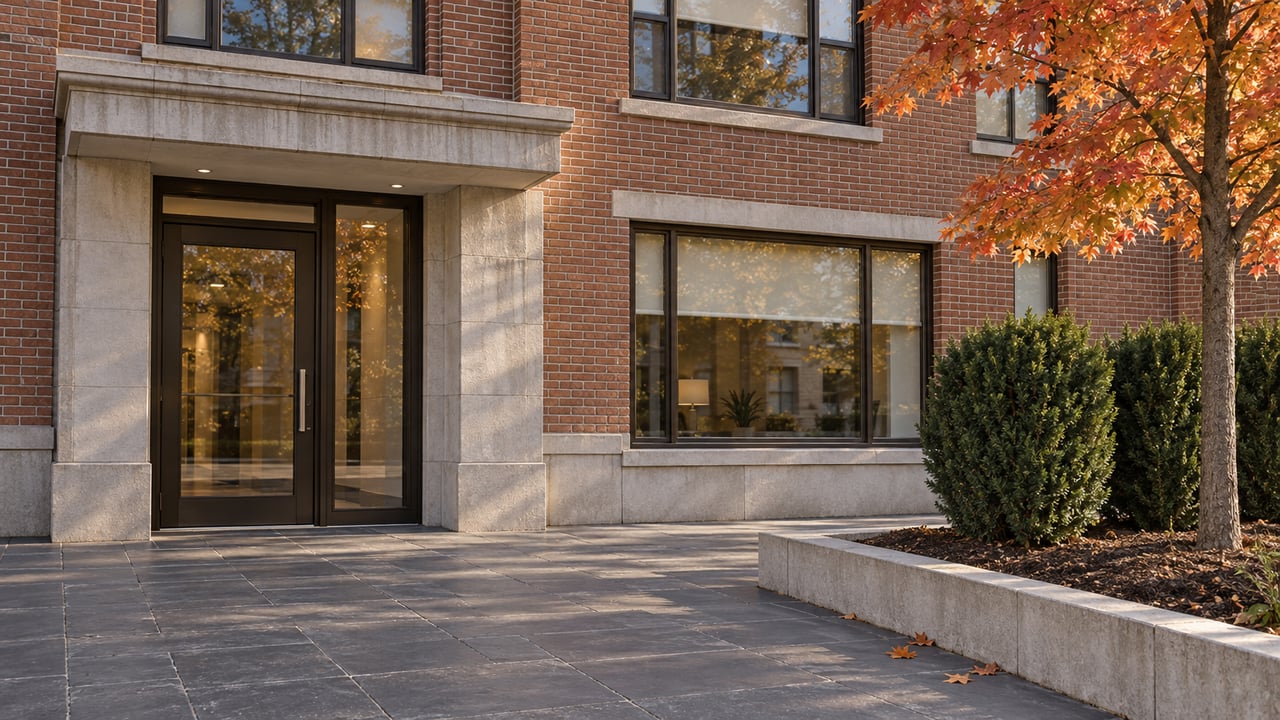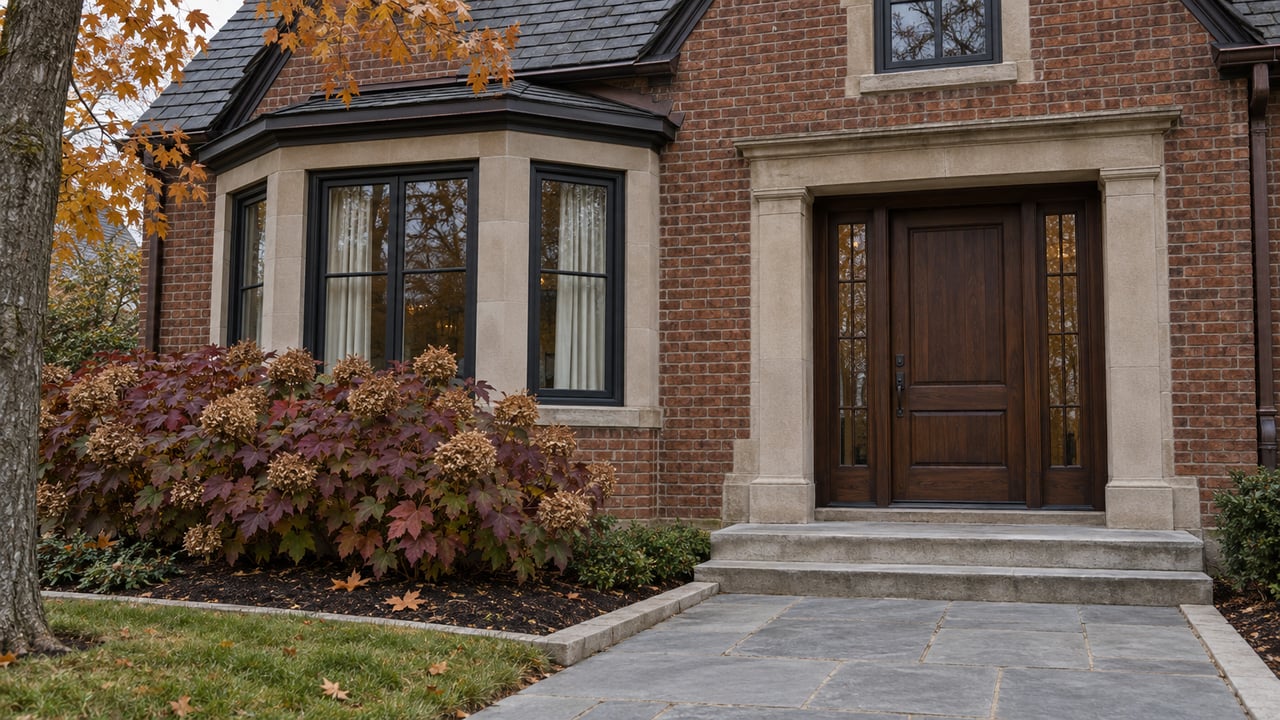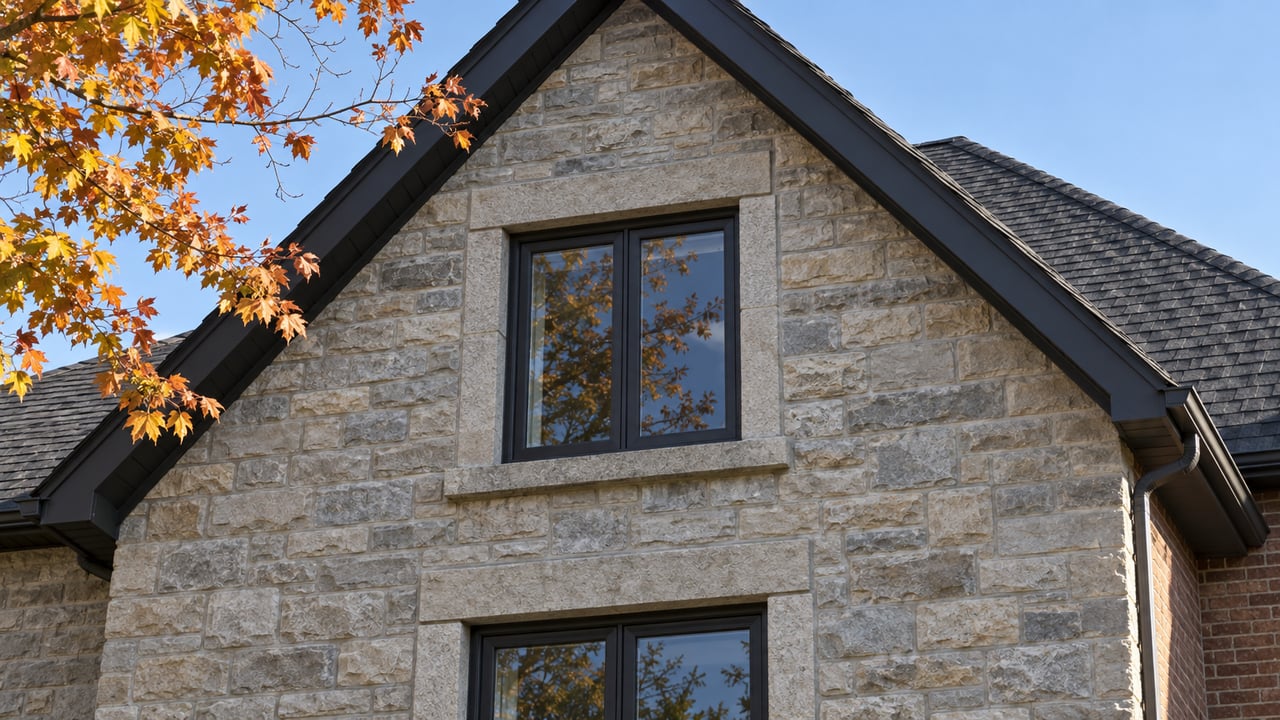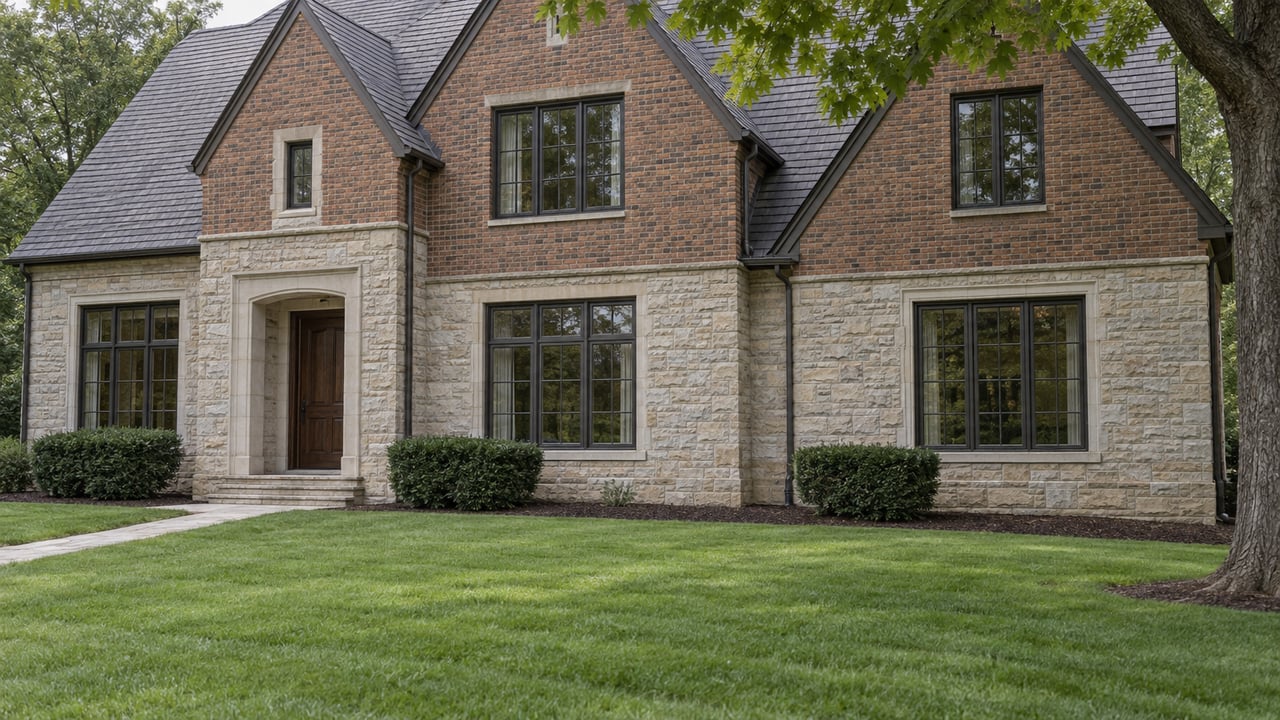
Looking for more space without feeling cut off from Toronto? That is exactly why Mineola keeps showing up on the radar for move-up buyers. If you want a larger home, more privacy, and an established neighbourhood feel while staying connected to the GTA, Mineola offers a compelling mix of lifestyle and location. Let’s dive in.
Mineola offers a true move-up setting
For many Toronto buyers, moving up is not just about square footage. It is about changing how you live day to day. Mineola stands out because it feels established, green, and low-rise, with a residential character that is hard to replicate in denser parts of the region.
The City of Mississauga treats Mineola as a distinct Neighbourhood Character Area. Its planning framework emphasizes mature vegetation, generous setbacks, open-ditch road cross-sections, and low-rise built form. In practical terms, that helps explain why the area feels spacious and calm, even as parts of the broader GTA continue to intensify.
Larger lots and mature streetscapes
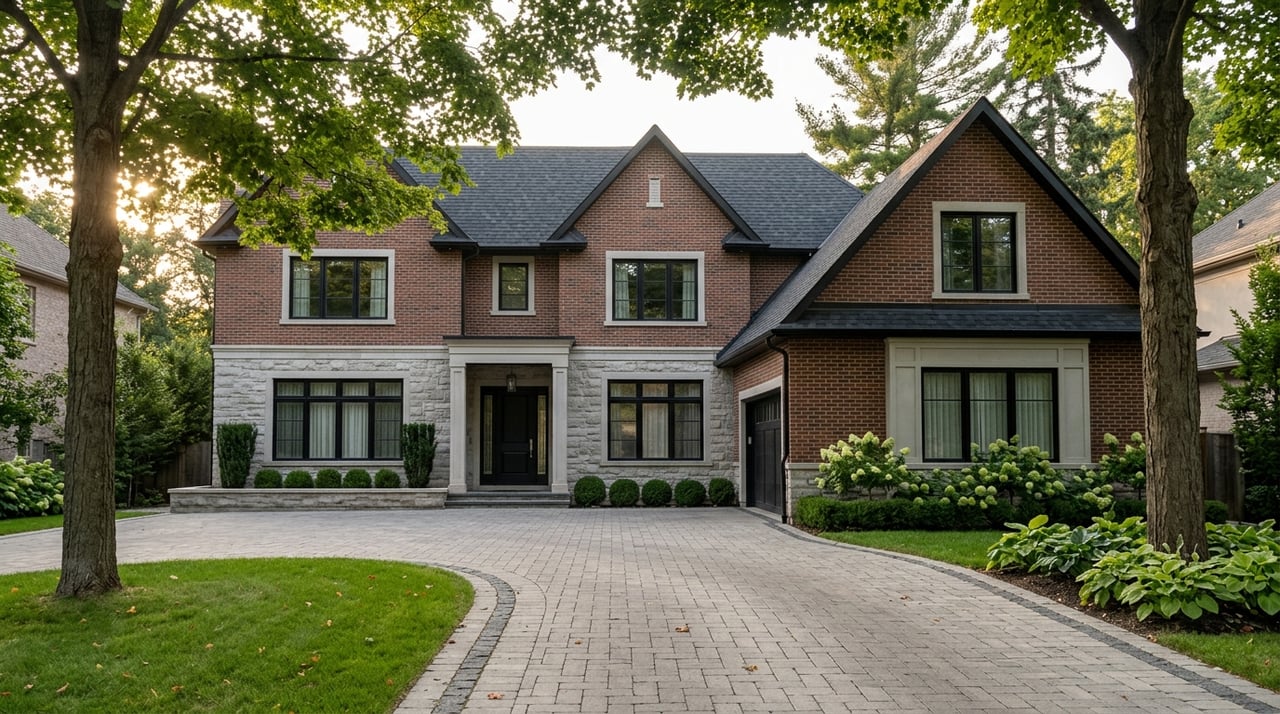
One of Mineola’s biggest draws is the physical feel of the neighbourhood. The area is known for winding roads, a mature tree canopy, and natural landscaping. For buyers coming from tighter urban lots or condo living, that difference is easy to notice.
This matters because a move-up purchase is often driven by lifestyle needs. You may want more outdoor space, more separation from neighbours, or simply a home setting that feels more private. Mineola’s established landscape supports exactly that kind of transition.
Why the neighbourhood still feels established
Infill and redevelopment do happen in Mineola, but the City’s official plan still calls for mature vegetation, landscaped streetscapes, and generous setbacks to be maintained, especially on lands near Hurontario. The plan also says new housing should fit the scale and character of surrounding homes.
That planning direction helps preserve the neighbourhood’s low-rise feel. For move-up buyers, that can be reassuring because the appeal is not only about the house itself. It is also about the long-term character of the streets around it.
Housing options suit different move-up stages
Mineola is not a one-note housing market. The area includes townhomes, mid-century bungalows, Colonial Revival homes, and custom-designed estate properties. That range gives buyers more than one way to trade up.
You might be moving from a Toronto condo and looking for a first detached home. Or you could be moving from an already comfortable home into something larger, more custom, or on a better lot. Mineola can appeal to both types of buyers because the housing stock spans several price points and styles.
A neighbourhood built for long-term ownership
Current market data points to an ownership-focused community. The neighbourhood is reported as 66% owner occupied, with 70% single-family households, alongside an average household income of $210,873.
Those numbers support what many buyers are looking for in a move-up area: stability, long-term ownership, and a strong single-family orientation. Mineola is not defined by high-turnover apartment living. It reads more like an established residential market where people tend to put down roots.
Mineola balances privacy with access
A common concern for Toronto move-up buyers is whether gaining space means losing convenience. Mineola makes a strong case because it offers a residential feel without cutting you off from major routes and nearby transit.
The neighbourhood has easy access to Port Credit, the Queen Elizabeth Way, and Mississauga’s city centre. That combination matters if you still need to commute, meet clients across the GTA, or stay connected to urban amenities while enjoying a quieter home base.
Transit works best through nearby hubs
Mineola is more practical than ultra-walkable. Market data rates it highly for car friendliness, while pedestrian and transit friendliness are lower. That means the area tends to suit buyers who are comfortable driving or using nearby transit hubs rather than relying on a walk-everywhere lifestyle.
Port Credit GO Station, located at 30 Queen Street East, adds an important piece to the picture. It offers free customer parking, MiWay connections, and access to Lakeshore West service, which runs two-way, all day, seven days a week between Union Station and Aldershot GO.
MiWay service also supports everyday mobility around the area. Route 2 Hurontario, Route 8 Cawthra, and Route 23 Lakeshore all help connect residents to surrounding destinations. For many Toronto households, that mix of driving access and nearby regional transit is a practical sweet spot.
Schools add to the everyday appeal
For buyers planning several years ahead, school options are often part of the decision-making process. In and around Mineola, several well-known local schools help anchor that conversation.
Public-school names commonly associated with the area include Mineola Public School for JK to Grade 6, Kenollie Public School for JK to Grade 8, and Port Credit Secondary School for Grades 9 to 12. For Catholic secondary education, St. Paul Catholic Secondary School lists both an International Baccalaureate Diploma Program and a Specialist High Skills Major in Health & Wellness.
This does not mean every home falls within the same attendance area, and boundaries can change. Still, for buyers comparing neighbourhoods, having established local school options nearby adds to Mineola’s long-term appeal.
Mineola is a premium move-up market
It is important to be clear about what Mineola is and what it is not. This is not an affordability play. It is a premium trade-up market where buyers are often paying for lot size, mature landscaping, established surroundings, and a strong Mississauga location.
Current market data reported a median sold price of $1,693,750 in March 2026 across all property types. Listing examples ranged from the high-$800,000s to about $1.18 million for condo units, and roughly $1.40 million to $3.45 million for detached homes.
What that means for Toronto buyers
If you are coming from Toronto, Mineola may look attractive because it can deliver a different kind of value. Instead of prioritizing density or a fully walkable streetscape, you are often buying into space, privacy, and a more established residential setting.
That trade-off is exactly why many move-up buyers are interested. They are not only asking, "How much home can I buy?" They are also asking, "What kind of daily lifestyle do I want next?"
Timing and competition still matter
Even in a neighbourhood that currently shows buyer-friendly signals, strategy matters. Recent Mineola data identified the area as a buyer’s market, with five months of inventory, 47 average days on market, 71 active listings, and 14 sales in March.
That can create more room to compare options and negotiate carefully. At the same time, broader GTA conditions can still tighten competition in specific neighbourhoods. TRREB reported that April 2026 sales across the GTA were up 7% year over year while new listings were down 9.3%, noting that some areas can face increased competition even when average prices soften.
For you, the takeaway is simple: Mineola may offer opportunity, but the best homes can still attract attention quickly. A move-up purchase here benefits from clear price positioning, neighbourhood knowledge, and a realistic understanding of what matters most to you.
Who Mineola fits best
Mineola tends to fit buyers who want more from their home environment and are ready to pay for it. It can be especially appealing if you value:
- Larger lots and more privacy
- Mature trees and established streetscapes
- Low-rise surroundings
- Access to Port Credit and major commuting routes
- A range of housing types from townhomes to estate homes
- A long-term ownership-oriented neighbourhood feel
It may be less ideal if your top priority is a dense, highly walkable daily lifestyle where most errands happen on foot. Mineola’s strengths are different, and for the right buyer, that is exactly the point.
Why Toronto move-up buyers keep choosing Mineola
At its core, Mineola attracts Toronto move-up buyers because it solves a specific problem. You can gain more home, more land, and a more settled residential setting without stepping too far away from the city and the wider GTA.
That mix is not easy to find. Mineola combines premium housing, a distinctive neighbourhood character, practical commuter access, and the kind of established setting that many buyers want once they are ready for their next chapter.
If you are weighing whether Mineola matches your next move, local insight makes a real difference. The right strategy can help you compare streets, housing types, and pricing realities with a lot more confidence. For tailored guidance on buying or selling in Mississauga’s move-up market, connect with SHAHD KHAWAJA REAL ESTATE INC BROKERAGE.
FAQs
Why do Toronto buyers move up to Mineola?
- Many buyers are drawn to Mineola for its larger lots, mature tree canopy, low-rise residential feel, and convenient access to Port Credit, the QEW, and the broader GTA.
Is Mineola mostly detached housing?
- Mineola is widely seen as a low-density neighbourhood, and current market activity is still dominated by detached homes, though the area also includes townhomes, bungalows, condos, and custom homes.
How expensive is Mineola for buyers?
- As of March 2026, the median sold price across all property types was $1,693,750, with listings ranging from high-$800,000s condos to detached homes in the mid-$3 million range.
Is Mineola good for commuting to Toronto?
- Mineola can work well for commuters who drive or use nearby transit hubs, with access to Port Credit GO, Lakeshore West service, MiWay routes, and major roads such as the QEW.
Which schools are commonly named around Mineola?
- Commonly referenced local schools include Mineola Public School, Kenollie Public School, Port Credit Secondary School, and St. Paul Catholic Secondary School.
Is Mineola a walkable neighbourhood for daily errands?
- Mineola is generally better suited to buyers who are comfortable driving or using nearby transit, rather than those seeking a dense, highly walkable neighbourhood for most daily needs.